This content was automatically translated. View the original text.

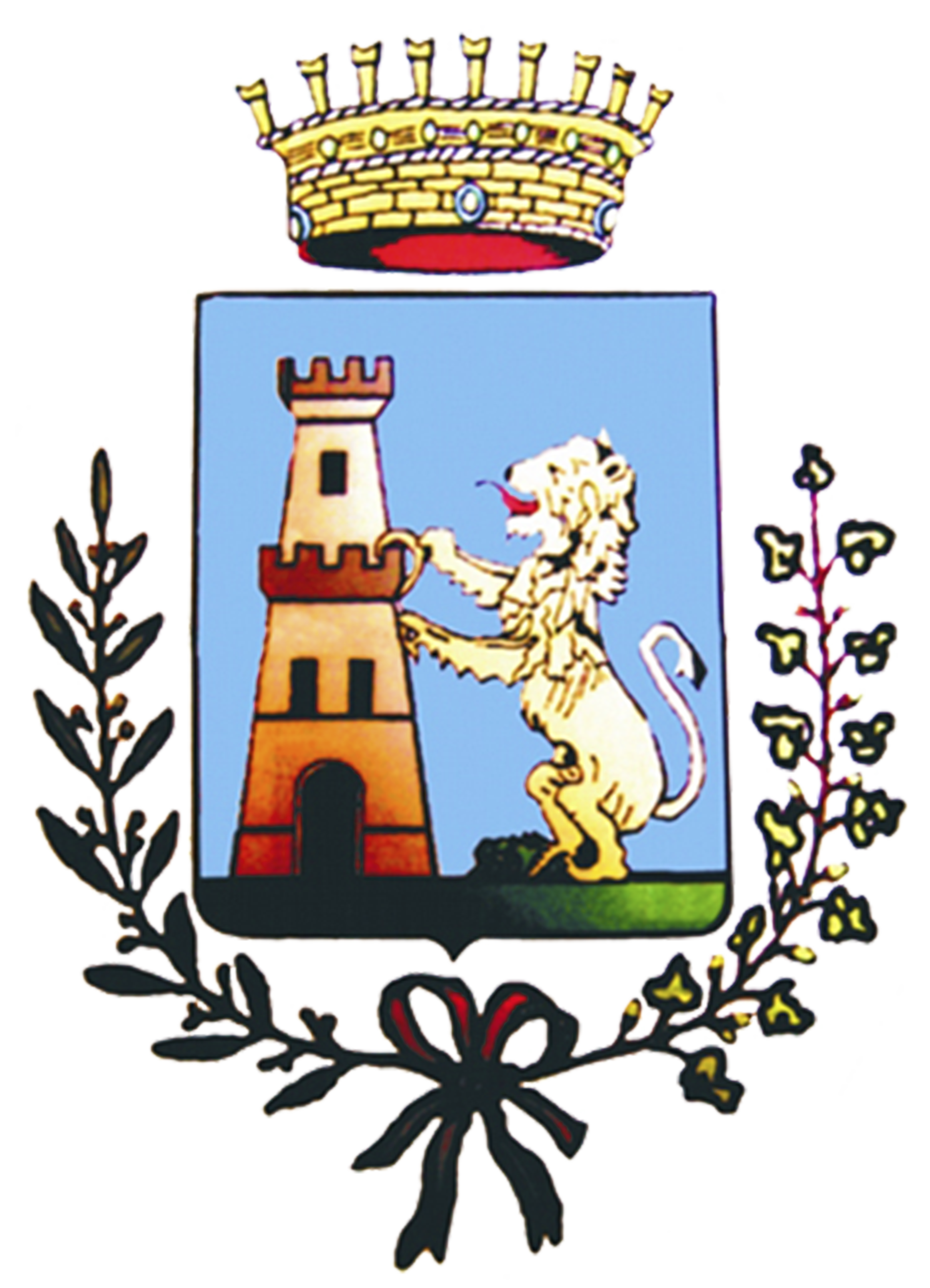


Vico nel Lazio is situated 721 metres above sea level on a limestone hill at the foot of Mount Monna in the Ernici Mountains. It is a rare and characteristic example of a fortified medieval village.
This unique architectural monument is laid out in an oval shape, it has a major axis of 300 metres and a minor axis of approximately 250 metres. The castle walls, built of limestone with a flat face, are interspersed with 25 square towers featuring Guelph-style battlements. The village is accessible via three gates: Porta a Monte, Porta Guarcino and Porta Orticelli, all very well preserved, and can be visited on foot or by car along a route of about a thousand metres.
The fortified walls of Vico nel Lazio follow the layout of a Roman camp, with the gates oriented in accordance with the cardinal points. Its development began around the 11th century, and the defensive system likely reached its current majestic appearance in the 13th century. The walls are reminiscent of those of the famous French city of Carcassonne and the Italian town of Monteriggioni. The medieval urban layout has remained intact, offering visitors an atmosphere that evokes the past as they stroll through its narrow lanes and squares.
Vico nel Lazio’s two main churches stand in the heart of the village: the Romanesque St Mary and the collegiate church of Archangel St Michael. characterised by a splendid stone façade. The village retains an atmosphere of times gone by, thanks to its urban layout, which has remained almost unchanged. Wandering through the dense web of narrow streets behind the church of San Michele, you can reach the Palazzo del Governatore, which housed the Town Hall until the year 2000. Today, the building is home to the Museum of Peace – Arts and Crafts, and the Council Chamber.
Another building of interest is the small barracks of the Papal Gendarmerie, built with the aim of protecting the entrance to the castrum and making its conquest more difficult. As you continue your walk, you can admire the Church of San Michele Arcangelo and its most prized artistic treasure: a 12th-century mosaic, originally part of the reliquary commissioned by Mr and Mrs Capocci for the Roman basilica of St Mary Major. The Church of St George Outside the Walls houses a 19th-century statue depicting the saint on horseback as he slays the dragon. The Church of Santa Maria, one of the oldest and most charming in Vico nel Lazio, has a distinctive bell gable. Of particular note is the Romanesque altar preserved inside, along with the frescoed crypt below.
There are two other churches in the village: the Church of St Roch, co-patron saint of the village, and the Church Our Lady of Sorrows, which houses a rare example of a wood-carved Madonna. This recently restored sculpture is 123 centimetres tall, and depicts the Madonna seated with the Child in her arms. It is unique in the Ciociaria region, and a rare example of outstanding craftsmanship. The village also boasts the Capriati Oil Mill, which still preserves its original medieval equipment, including a stone millstone.
In the immediate vicinity of the historic centre of Vico nel Lazio, there are several artistic and natural treasures. Just outside the village is the Sanctuary of the Madonna del Campo (Our Lady of the Fields), dating from the 15th–16th centuries, which houses a precious fresco depicting the Trinity. Near Porta Orticelli sands the Church of the Carmine (Mount Carmel), whilst the charming Church of Sant’Antonio Abate (St Anthony Abbot), with its single nave and frescoes on the altar, adds a touch of serenity to the landscape.
Near the Church of San Giorgio is the Old Fountain, one of the oldest structures in the village. At the entrance to the village is the Church of the Madonna della Concordia (Our Lady of Concord), built in the 18th century. Inside is a 12th–13th-century fresco, originally part of a votive shrine depicting the Virgin Mary. These votive shrines, known as ‘cone’, i.e. icons, have given rise to a tourist itinerary around Vico called ‘Cammino delle Cone’ This route follows the paths and roads once used by those descending into the valley or heading to the river to work the fields. Along the way, there is the recently built Church of Santa Barbara, situated in the hamlet of Colle.
Vico nel Lazio is an area surrounded by the green olive groves of the countryside, where craftsmanship, gastronomy and sheep farming are the main activities. The district of Pitocco is the hub of modern commerce, home to the Church of Santa Maria Goretti (St Mary Goretti) and the main entrance to the village.
Finally, our mountains deserve a special mention: the Ernici Mountains (Mount Monna 1,951 m – Mount Rotonaria 1,751 m – Mount Forchetta 1,520 m) provide a splendid backdrop to Vico nel Lazio. These mountains offer hiking and cycling trails, springs, waterfalls (such as CapoRio), rivers, valleys, woods, peaks and breathtaking views. Of particular interest is the cycle and footpath located in Fontana La Macchia, winding its way through the woods and designed to ensure that everyone, including families, can enjoy peaceful Sundays immersed in nature, in complete safety and comfort.

03010 Vico Nel Lazio FR, Italia





