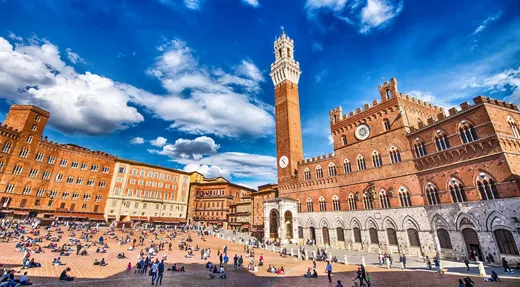
Tuscany's extra virgin olive oil villages
It is not easy to find experiences and locations in Tuscany that have not already been minutely recounted and extolled by travellers of all ages and backgrounds. Indeed, this region, with its wonders of art and landscape, occupies a privileged place on the Olympus of world tourism.
By changing the point of view, however, and going in search of not only the places of architecture and history but also, for example, the areas best known for the production of a specific product of enogastronomic excellence, one can still make unexpected discoveries, visiting a land, Tuscany, that never ceases to amaze.
It is around extra virgin olive oil and other Tuscan flavours that this itinerary is based, developed through a number of inland villages in the provinces of Florence, Pisa and Lucca; villages that have managed to keep their identity intact, linked to ancient farming traditions, as well as, and this is inevitable in Tuscany, to the monuments that have made their history.
Thus we will pass slightly off the most frequented Tuscan routes, among the historical centres and the immediate surroundings of Barberino Tavarnelle, Vicopisano and Montecarlo, small villages with an authentic appearance, ideal destinations for slow and conscious tourism.
With this in mind, it is not surprising to learn that the three resorts boast the Orange Flag award from the Italian Touring Club, testifying to the excellent quality of their tourist offer.